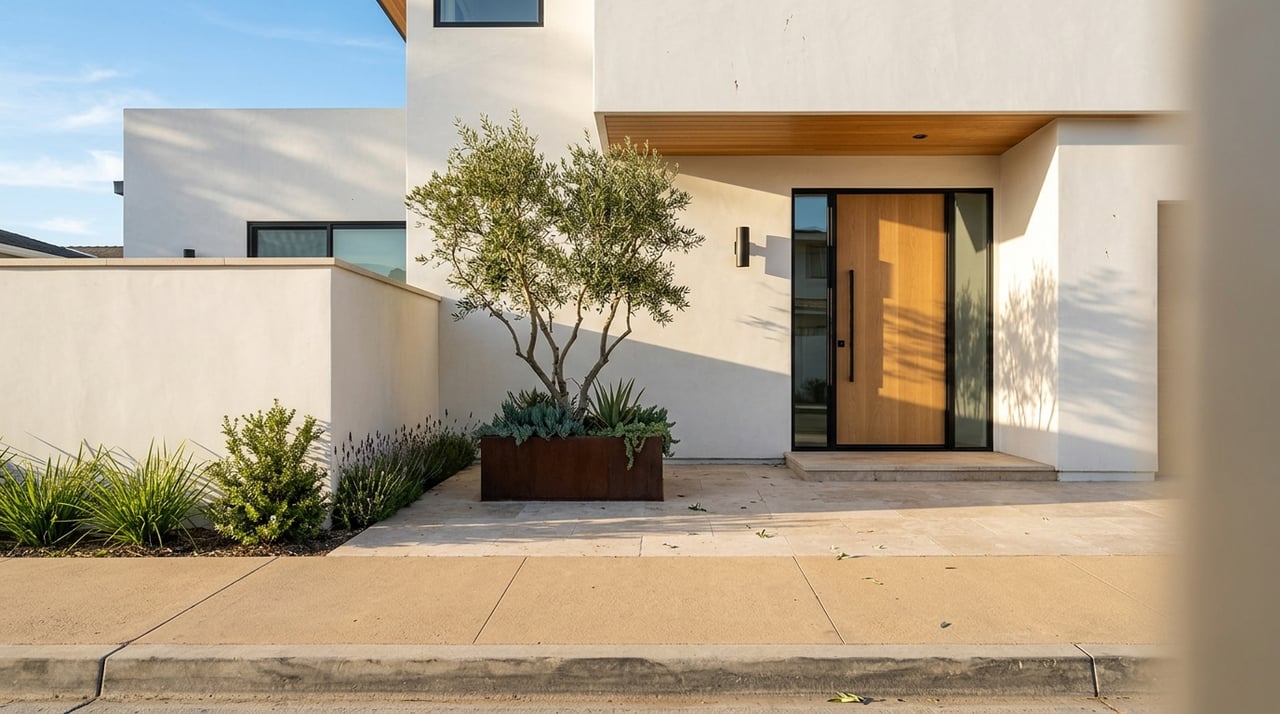
If you are wondering whether Manhattan Beach lives up to the hype, the short answer is yes, but in a very specific way. This is not just a beach town with pretty views. It is a compact coastal city where daily life often revolves around walkable streets, outdoor routines, neighborhood character, and a strong sense of place. If you are thinking about moving here, this guide will help you understand what everyday life is really like in Manhattan Beach. Let’s dive in.
Manhattan Beach at a Glance
Manhattan Beach is a small South Bay city with 35,506 residents, about 4 square miles of land, 2.1 miles of beachfront, and a 928-foot pier, according to the City of Manhattan Beach facts page. It sits about 19 miles southwest of downtown Los Angeles and roughly 3 miles south of LAX, which helps explain why it feels both coastal and connected.
The city also says it works to preserve its small beach town character. That goal shows up in the way the community is planned, from the scale of many residential areas to the village feel encouraged in downtown Manhattan Beach.
The Daily Lifestyle Feels Outdoors First
One of the biggest draws of Manhattan Beach is how naturally outdoor living fits into your routine. The city highlights walking, running, biking, skating, and people-watching along The Strand and other visitor destinations, and that is a good reflection of everyday life here.
The local climate makes that easier year-round. The city reports average annual rainfall of 13.6 inches and an average temperature range of 85°F in summer to 49°F in winter on its community facts page. In practical terms, that means beach walks, bike rides, and outdoor errands can be part of your normal week, not just a weekend treat.
Downtown Is the Social Hub
Downtown Manhattan Beach plays a big role in how the city feels. The city describes downtown as the commercial core, with shopping, restaurants, cafes, bars, salons, and even yoga with a view on its Discover Manhattan Beach page.
What stands out is the scale. Rather than feeling spread out, downtown is woven into the larger beach lifestyle. The city’s planning documents note that the General Plan aims to maintain a village atmosphere there while preserving smaller specialty retail and service uses that support both residents and visitors.
Manhattan Beach Neighborhoods Have Distinct Personalities
If you are considering a move, it helps to know that Manhattan Beach is not one-size-fits-all. Official planning documents divide the city into Beach Area, Hill Section, East-Side/Manhattan Village, Tree Section, and El Porto, and each one supports a different kind of daily routine.
Beach Area and El Porto
The Beach Area contains much of the city’s multi-family rental housing on smaller lots, often under 3,000 square feet, based on the city’s Housing Element. Parking is also more limited here, which can affect everyday convenience.
El Porto combines higher-density residential and commercial uses. The city also presents North Manhattan Beach and El Porto as the surfier side of town, with beach access, walk streets, and services along Highland Avenue on its visitor guide. If you want quick beach access and an active coastal atmosphere, these areas often appeal to that lifestyle.
Hill Section
The Hill Section is described in city planning documents as primarily single-family housing on slightly larger lots. For many buyers, that can translate to a different sense of space and a more residential rhythm while still staying close to the coast.
Tree Section and East-Side
The Tree Section is mostly single-family housing east of Bell Avenue and northwest of Valley Drive, according to the city’s housing documents. Inland parts of Manhattan Beach also benefit from the city’s urban forestry program, which manages more than 10,000 trees across nearly four square miles. That helps explain why some areas feel especially tree-lined and residential.
The East-Side and Manhattan Village area mixes housing with commercial and office uses, plus senior housing. It offers a different version of Manhattan Beach living, one that can feel more centered on everyday convenience and access to services.
Housing Reflects the City’s Long-Term Planning
Manhattan Beach has a polished, high-value housing market, but its physical character is not accidental. The city says it uses setback, open-space, height, and parking standards to help avoid mansionization and preserve neighborhood character in the Housing Element.
That matters if you care about long-term neighborhood feel. It helps support a sense of consistency from block to block, even though architectural styles and home sizes can vary by area.
Parks and Public Spaces Add to Daily Life
Living in Manhattan Beach is not only about the sand. The city highlights several public spaces that add variety to everyday routines, including the historic pier, the Roundhouse Aquarium, Metlox Plaza, and the paved beachfront bike path on its visitor information page.
Neighborhood parks also matter here. Polliwog Park and Sand Dune Park are two of the city’s best-known outdoor spaces. Polliwog Park spans 18 acres and is described by the city as the largest park in the South Bay, while Sand Dune Park includes a 100-foot dune, nature trails, panoramic views, and a reservation system to help manage use.
These spaces give you options beyond the beach. Whether your routine includes walking paths, open green space, or active outdoor time, Manhattan Beach offers more than one version of coastal living.
Shopping and Errands Are Convenient
For a small city, Manhattan Beach has solid day-to-day convenience. Downtown covers a lot of dining and service needs, while Manhattan Village gives residents another retail and lifestyle hub.
The city describes Manhattan Village as a shopping, dining, and lifestyle destination about 3 miles from LAX, with free parking and EV charging on its Discover Manhattan Beach page. That can be especially useful if you want easier errands without navigating the tighter parking conditions closer to the beach.
Parking Is Part of the Reality
Like many popular coastal communities, parking is part of the day-to-day equation. In some parts of Manhattan Beach, especially near downtown and the beach, planning around parking rules is just part of life.
The city maintains a parking permit program that includes a downtown residential override permit program, a Tree Section resident permit parking program, and overnight parking options in certain beach lots. If you are moving into a high-demand area, it is worth understanding how parking works before you buy or lease.
Commuting Is Manageable, but Often Car-Oriented
Manhattan Beach has a strong local lifestyle, but many residents also need practical access to the rest of Los Angeles. Its location near LAX is a major advantage, and local transit options do exist.
According to the city’s maps and directions page, Beach Cities Transit Line 109 connects Redondo Beach, Hermosa Beach, Manhattan Beach Pier and downtown, Manhattan Village, El Segundo, and the LAX City Bus Center. The city also references Metro lines 125, 126, 130, and 232, Torrance Transit Line 8, the MAX commuter bus to El Segundo, and Ocean Express hotel shuttles.
Even with those options, the overall pattern is still more car-oriented than rail-based. For some trips, transit can be useful. For many daily routines, driving remains the more common choice.
Manhattan Beach Compared With Nearby Beach Cities
If you are choosing between South Bay coastal cities, Manhattan Beach often stands out for its compact footprint and residential feel. The official descriptions in local planning and city materials suggest it is the most concentrated and village-like of the main South Bay beach cities.
The pricing also reflects that position. Redfin market data for 90266 shows a median sale price of $3.4 million in February 2026, compared with $2.6 million in Hermosa Beach and $1.7 million in South Redondo Beach. While price is only one factor, it does show where Manhattan Beach currently sits within the coastal market.
Who Tends to Enjoy Living Here
Manhattan Beach can work well for several kinds of buyers because the city supports more than one lifestyle. Some people are drawn to the beach blocks and surf access. Others prefer the inland neighborhoods, parks, or proximity to shopping and commuter routes.
In general, this city tends to appeal to people who value:
- A compact coastal setting
- Frequent outdoor activity
- Walkability in key areas
- Distinct neighborhood character
- Access to dining, retail, and services nearby
- A higher-priced, long-term residential market
The right fit depends on what you want your daily life to look like. In Manhattan Beach, that can vary quite a bit from one section of the city to another.
What to Know Before You Move
If Manhattan Beach is on your shortlist, the biggest takeaway is that lifestyle and location go hand in hand here. Two homes in the same city can offer very different experiences depending on beach access, parking, lot size, neighborhood layout, and proximity to downtown or Manhattan Village.
That is why local context matters. Understanding the difference between the Beach Area, Tree Section, Hill Section, East-Side, and El Porto can help you choose a home that fits not just your budget, but your routine and long-term goals.
If you are considering a move to Manhattan Beach and want thoughtful guidance on where you may fit best, the Merritt & Sanderson Team offers calm, local insight to help you evaluate the market with clarity.
FAQs
What is daily life like in Manhattan Beach, California?
- Daily life in Manhattan Beach often centers on outdoor activity, beach access, downtown errands, dining, and neighborhood routines shaped by the city’s compact coastal layout.
What are the main neighborhoods in Manhattan Beach?
- Official city planning documents identify Beach Area, Hill Section, East-Side or Manhattan Village, Tree Section, and El Porto as the city’s main neighborhood areas.
Is Manhattan Beach walkable for everyday errands?
- Some parts of Manhattan Beach, especially downtown and areas near The Strand, support a walkable lifestyle, while other daily trips are still often car-oriented.
How does parking work in Manhattan Beach?
- Parking can be limited in some high-demand areas, and the city uses residential permit programs and certain overnight beach lot options to help manage demand.
Is Manhattan Beach expensive compared with nearby beach cities?
- Based on Redfin data in the research report, Manhattan Beach had a higher median sale price in February 2026 than Hermosa Beach and South Redondo Beach.
Is Manhattan Beach close to LAX and Los Angeles job centers?
- Yes. The city says Manhattan Beach is about 3 miles south of LAX and about 19 miles southwest of downtown Los Angeles, which can be helpful for commuting and travel.