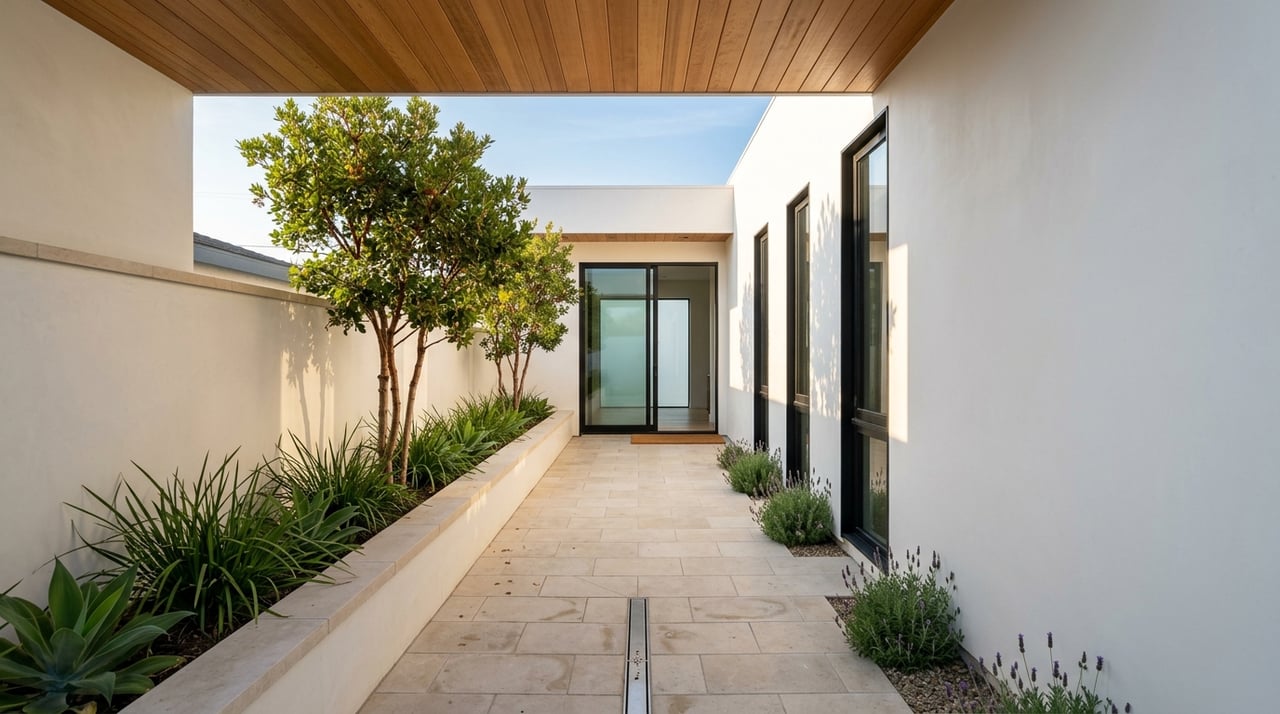
If you have ever looked at two older homes in Manhattan Beach and wondered why one commands a much higher price, the answer is often the lot, not the structure. In a built-out coastal city where new residential development is limited, buyers and sellers need to understand what a parcel can legally support, how local rules shape that potential, and why those details matter long before plans are drawn. If you are evaluating a teardown, remodel opportunity, or new build in 90266, this guide will help you see value more clearly. Let’s dive in.
Why lot value matters
In Manhattan Beach, land value often reflects the parcel’s legal building envelope more than the age or style of the existing home. The city’s housing and zoning framework makes clear that residential growth is constrained, which means buildable lots are a scarce resource. That scarcity is one reason lot characteristics can drive pricing so strongly.
The city has also spent years refining bulk, volume, and mansionization policies to reduce visual mass, preserve setbacks and open space, and limit pressure toward lot mergers. According to the city’s housing documentation, these standards directly shape what owners can and cannot do with a property. In practical terms, that means two homes with similar square footage today may have very different long-term value based on the parcel underneath them.
The city’s redevelopment screening logic also points to several common signals, including underbuilt sites, low land-to-improvement ratios, and older structures. Those signals do not guarantee a teardown or redevelopment opportunity, but they do show how local planning analysis identifies parcels with possible upside. You can review that framework in the city’s Residential Overlay District information.
How area districts affect value
A major part of understanding lot value in 90266 is knowing where the parcel sits within the city’s area-district system. Manhattan Beach divides residential standards into four area districts, and those rules influence lot size, setbacks, width, and overall build potential. Those differences help explain why pricing can vary so sharply from one section of town to another.
Area District I
Area District I includes the Hill Section and East Side south of Manhattan Beach Boulevard. It has a minimum lot size of 7,500 square feet, a maximum lot size of 15,000 square feet, a minimum width of 50 feet, a 20-foot front setback, and a 12-foot rear setback. The city has noted that this district contains the largest lots, which is one reason some of the largest homes in Manhattan Beach are built here.
Area District II
Area District II includes the Tree Section and East Side north of Manhattan Beach Boulevard and Bell. It has a minimum lot size of 4,600 square feet, a maximum lot size of 10,800 square feet, a minimum width of 40 feet, and the same 20-foot front and 12-foot rear setbacks. These dimensions still offer meaningful build potential, but the envelope is different from District I.
Area Districts III and IV
Area Districts III and IV cover the coastal areas, including El Porto in District IV. Both districts have a minimum lot size of 2,700 square feet, a maximum lot size of 7,000 square feet, a minimum lot width of 30 feet, and 5-foot front and rear setbacks, with some District III exceptions for certain non-alley RS lots abutting residential property. These smaller coastal parcels can carry substantial value because of location and scarcity, even when the building envelope is tighter.
The city’s lot and zoning standards are the best place to start when comparing these districts. They help explain why an inland parcel may win on width and flexibility, while a coastal parcel may win on location and rarity.
Why similar lots can price differently
In Manhattan Beach, lot size alone does not tell the whole story. A parcel’s width, setbacks, parking requirements, and open-space rules can all affect how much of the theoretical building envelope is actually usable. That is especially important in the beach areas, where smaller lots often face tighter practical constraints.
The city’s own lot-size analysis noted that on beach-area lots, small parcel sizes and open-space rules can prevent owners from fully realizing the maximum permitted building area. Larger sites and lot consolidation can make more of the envelope achievable. That helps explain why two homes that appear similar from the street can trade at very different prices.
Parking can also materially change the equation. In the coastal zone, the city states that all dwelling units require at least two parking spaces per unit, which can reduce what is available for living area, garage layout, and outdoor space on already compact parcels. You can review those standards on the city’s coastal zone page.
Teardown, remodel, or new build?
When you evaluate a property in Manhattan Beach, the key question is usually not whether the current house is dated. The real question is whether the parcel can support the home, layout, and use you want after all local rules are applied. That is what separates a cosmetic remodel candidate from a major redevelopment opportunity.
For some buyers, an older home may still make sense if the lot already supports a strong footprint and only needs updating. For others, the same property may be attractive mainly because of the land value. The right answer depends on zoning, lot configuration, parking, setbacks, overlay rules, and permit requirements.
SB 9 opportunities
For qualifying Residential Single Family zoned properties, SB 9 may allow a parcel split and-or development of up to four residential units through a ministerial process, subject to the city’s requirements and covenant. That can be a major factor in how some buyers underwrite land value, although eligibility is parcel-specific. The city outlines those rules in its SB 9 and SB 10 guidance.
ADU and JADU potential
Accessory dwelling units and junior accessory dwelling units also shape lot value. The city updated its ADU and JADU regulations in 2025 and states that ADUs meeting state law are allowed in single-family or multi-family residential zones, while JADUs are allowed in single-family zones. In some cases, that added flexibility can improve the long-term utility of a parcel.
Parking and garage requirements
Parking is one of the biggest buildability filters in Manhattan Beach. The city’s housing element states that single-family homes up to 3,600 square feet require two enclosed spaces, while larger single-family homes require three enclosed spaces. On tighter lots, especially near the coast, garage placement can have a major effect on floor plan efficiency and outdoor space.
Trees and site constraints
In inland districts, tree rules can also influence what is feasible. The city notes that protected trees in required front and corner-side setbacks must go through the tree-permit process. It also states that new residential construction in Area Districts I and II exceeding 50% valuation requires at least one new 36-inch box tree unless the Director determines that requirement is inappropriate. Those details can affect design, timing, and budget, as explained in the city’s tree ordinance materials.
Special rules that can change value
Some parcels are affected by special overlays or neighborhood-specific standards that can significantly alter redevelopment potential. One example is D7 Longfellow Drive, which the city describes as an 18-acre built-out single-family neighborhood with a 17,000-square-foot minimum lot area and no further subdivision. A rule like that can make land materially scarcer than nearby blocks might suggest.
That is why it is important not to assume that two nearby parcels have the same upside. The city’s housing appendix and objective standards materials are useful references when a property appears to sit in a more specialized pocket.
Questions to ask before you buy
If you are considering a teardown, vacant parcel, or older home with redevelopment potential in Manhattan Beach, start with a disciplined review. A few early questions can save you time, money, and frustration.
- What zone, area district, and coastal-zone status does the parcel have in the city mapping system?
- Is the property a standard lot, a legal half-lot, or part of an oversized or merged configuration?
- Will your plans trigger a coastal development permit, tree permit, or right-of-way permit?
- Can your desired home program fit once setbacks, parking, and height standards are applied?
- Does a special overlay district or neighborhood-specific rule apply?
The city specifically notes that its mapping tools can help identify zoning and coastal-zone status, and its planning permit page outlines permit pathways for many projects. In Area District IV, lot configuration is especially important because a preexisting legal half-lot with at least 1,350 square feet of site area may support two dwelling units under the city’s standards.
What this means for buyers and sellers
For buyers, the takeaway is simple: do not price a property based only on the home you see today. In Manhattan Beach, the true value may sit in the legal build envelope, lot width, parking feasibility, and regulatory path. A calm, well-informed review can help you avoid overpaying for a parcel with hidden constraints or overlooking one with real long-term upside.
For sellers, understanding lot value can strengthen pricing strategy and buyer positioning. An older house may attract very different interest depending on its district, configuration, and development flexibility. When you present those details clearly, buyers can better understand what they are really buying.
In a nuanced market like Manhattan Beach, small zoning and site details can have a meaningful impact on value. If you want thoughtful guidance on how to evaluate a teardown, new-build site, or land-driven opportunity, the Merritt & Sanderson Team brings a strategic, local approach to helping you assess what a property can support and how that affects your next move.
FAQs
What does lot value mean for Manhattan Beach real estate?
- Lot value refers to how much of a property’s price is tied to the land and its legal development potential rather than the existing house.
What area districts matter when buying in Manhattan Beach 90266?
- Manhattan Beach uses four area districts, and each one has different lot-size, width, and setback standards that affect buildability and value.
What makes a Manhattan Beach home a teardown candidate?
- A property may be considered a teardown candidate when the lot can legally support a more valuable use than the existing structure, though that depends on parcel-specific rules and constraints.
What should you check before buying a new-build lot in Manhattan Beach?
- You should confirm zoning, area district, coastal-zone status, lot configuration, parking requirements, permit triggers, and any overlay rules before moving forward.
How do parking rules affect new builds in Manhattan Beach?
- Parking requirements can reduce usable living area and design flexibility, especially on smaller coastal lots where garage space competes with interior and outdoor space.
Can ADUs or SB 9 increase lot value in Manhattan Beach?
- In some cases, yes, because ADU, JADU, or SB 9 eligibility may add flexibility to how a parcel can be used, but eligibility depends on the specific property and city rules.