Trying to choose between North Redondo and South Redondo Beach? On paper, they share the same city name, but your day-to-day experience can feel very different depending on which side of town you call home. If you are weighing commute, beach access, walkability, parks, or housing style, this guide will help you compare the two with more clarity. Let’s dive in.
How Redondo Beach Breaks Down
In practical terms, Redondo Beach is often understood as two daily-life zones split around 190th Street. City planning materials describe North Redondo as more inland, residential, and commercial-oriented, while South Redondo centers more around the pier, King Harbor, the beach, and Riviera Village.
That split shows up in how each area functions. North Redondo is anchored by Artesia Boulevard as its main commercial corridor, while South Redondo is shaped by waterfront destinations, Pacific Coast Highway, Torrance Boulevard, and Riviera Village. If you are deciding where to live, that difference matters because it affects how you spend ordinary weekdays, not just weekends.
North Redondo Daily Life
North Redondo often feels more neighborhood-centered and routine-friendly. The city notes that nearly two-thirds of Redondo Beach’s children live in North Redondo, which helps explain why many people experience this side of town as more residential in character.
Artesia Boulevard plays a big role in daily convenience here. The city’s 2024 Land Use Element identifies Artesia as the “Main Street” of North Redondo, with commercial uses prioritized and outdoor dining emphasized on the west end. In everyday terms, this side of town can feel built more around errands, regular activities, and getting where you need to go.
North Redondo also has strong access to larger movement corridors. City circulation documents identify Aviation Boulevard, Artesia Boulevard, 190th Street, and nearby access to I-405 as important parts of the transportation network. If you care about freeway access or a more inland South Bay rhythm, North Redondo may align better with your routine.
North Redondo Parks And Recreation
North and inland Redondo lean more toward neighborhood parks and practical recreation spaces. Aviation Park is a 14.6-acre site with the Redondo Beach Performing Arts Center, a gym, a track, and a football field.
Dominguez Park is even larger at 20.6 acres and is one of the city’s most heavily used parks. It also includes Redondo Beach’s only fenced off-leash dog park. If your ideal weekend includes local park time, sports, or everyday outdoor use rather than direct beach access, this side of town may feel more functional for daily life.
South Redondo Daily Life
South Redondo is the side many people picture first when they think about Redondo Beach. The beach, King Harbor, the pier, and Riviera Village shape the pace and feel of the area in a very visible way.
The city describes Riviera Village as a walkable, neighborhood-oriented mixed-use district with small shops, restaurants, offices, and outdoor dining. Planning documents also frame PCH Central around preserving a lower-profile beach-town character with small businesses. If you want your routine to include more walking, dining nearby, and easy access to coastal destinations, South Redondo often stands out.
This side of town is also closely tied to the waterfront. Torrance Boulevard is treated as a gateway to the pier and waterfront, which reinforces how strongly the area is organized around coastal access and visitor activity.
South Redondo Beach And Outdoor Access
South Redondo has the city’s strongest direct connection to the coast. According to the city’s coastal planning documents, the County beach, King Harbor, and the Municipal Pier are key public recreational resources, and the beach stretches for about two miles.
The beach promenade is also part of the California Coastal Trail. The city notes that the beach is Redondo Beach’s most frequently visited recreation area, and beachfront traffic congestion is common. That is important to know if you love living near the action but also want a realistic picture of busy days near the waterfront.
Veterans Park is one of South Redondo’s signature public spaces. It sits above the beach promenade and includes the Community Center, Senior Center, bandshell, picnic areas, and views over the beach, pier, and harbor.
Seaside Lagoon is another notable amenity in King Harbor. It is a 3.6-acre saltwater, sand-bottom facility that operates seasonally from Memorial Day through Labor Day. For many buyers, these features help define South Redondo’s destination-driven lifestyle.
Walkability, Errands, And Commuting
One of the clearest differences between North and South Redondo is how your day flows. South Redondo tends to offer more walkable destination areas, especially around Riviera Village, the waterfront, and nearby commercial pockets.
North Redondo tends to serve daily convenience in a different way. With Artesia Boulevard as its commercial spine and links through Aviation and nearby regional shopping areas, it often feels more geared toward practical errands and broader access across the South Bay.
Transit options also shape the comparison. Metro identifies Redondo Beach Station as a K Line station with local bus service, and South Bay transit materials show connections that link the station to places like the Redondo Beach Pier and Riviera Village through Beach Cities Transit routes. Metro project materials also indicate a planned K Line extension to Torrance from Redondo Beach Station, which could influence future commute patterns if completed.
If your priority is getting to the beach on foot, South Redondo has the edge. If your priority is easier access to major roadways and a more commute-aware setup, North Redondo may feel more practical.
Housing Character And Home Style
Redondo Beach has a mix of older and newer housing, but the feel can vary from one side of town to the other. The city’s preservation plan traces North Redondo through early tract development and a later postwar housing boom, while South Redondo developed earlier as part of the coastal and tourist fabric.
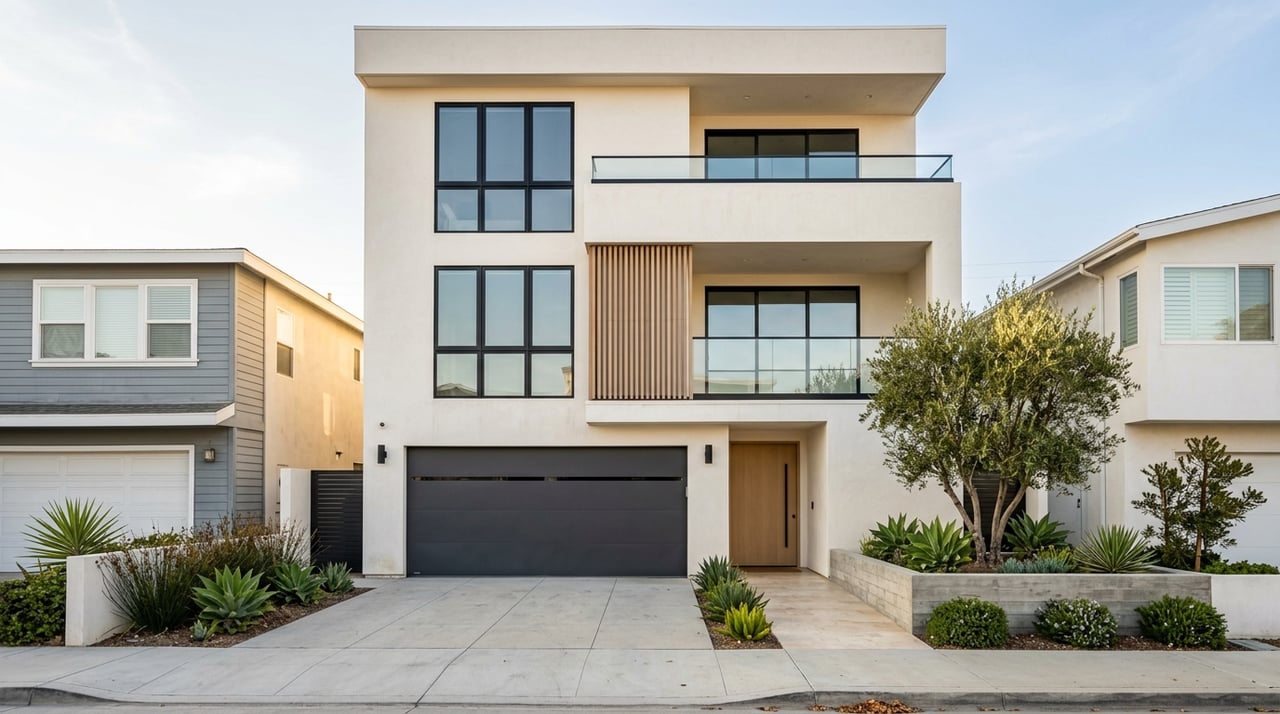
The city’s design guidelines identify common local architectural styles such as Spanish, Craftsman, Post-War Traditional, Mediterranean, Contemporary, and Neo-Traditional. That means you can find everything from older cottages and bungalows to newer infill homes and rebuilds across the city.
City residential standards also generally keep low-density districts around 30-foot height limits, with some higher-density and affordable housing districts allowed to go higher. In practical terms, Redondo remains visually low-rise, and details like roof decks, lot size, and view potential can carry more weight near the coast.
Why Home Values Often Differ
While every block and property is different, the broad pattern is fairly intuitive. South Redondo often commands a premium because of beach access, harbor access, walkability, and the potential for views.
North Redondo, by contrast, tends to appeal to buyers who want a more inland, neighborhood-centered experience with stronger everyday commercial nodes and easier freeway access. That does not make one side better than the other. It simply means value is often tied to how closely a location matches the lifestyle you want.
For some buyers, being able to walk to coastal destinations is worth paying more for. For others, a more residential setting with practical access and neighborhood parks may be the smarter long-term fit.
Which Side Fits Your Lifestyle Best
If you picture your ideal Redondo Beach life as more residential, more inland, and more tied to everyday routines, North Redondo may be the better match. It often suits buyers who want strong park access, practical commercial corridors, and easier regional connectivity.
If you are drawn to the beach, harbor, promenade, pier, and walkable dining districts, South Redondo may be the stronger fit. It often appeals to buyers who want a more coastal, destination-driven daily rhythm.
The key is not asking which side is “better.” The better question is which side supports the way you actually want to live, commute, and spend your time. That is where local guidance becomes especially valuable.
If you are comparing neighborhoods in Redondo Beach and want thoughtful, on-the-ground insight into how each pocket lives day to day, the Merritt & Sanderson Team can help you evaluate the right fit with clarity and confidence.
FAQs
What is the main difference between North and South Redondo Beach?
- North Redondo is generally more inland, residential, and commercial-oriented, while South Redondo is more closely tied to the beach, pier, harbor, and walkable coastal destinations.
Which part of Redondo Beach has better beach access?
- South Redondo has the strongest direct beach access, including the County beach, King Harbor, the Municipal Pier, and the beachfront promenade.
Is North Redondo Beach better for commuting?
- North Redondo may feel more commute-friendly because of its access to major corridors like Artesia Boulevard, Aviation Boulevard, 190th Street, and nearby I-405 connections.
What parks are notable in North Redondo Beach?
- Aviation Park and Dominguez Park are two of the key recreation spaces in North Redondo, with Dominguez Park also offering the city’s only fenced off-leash dog park.
What parks and outdoor amenities are notable in South Redondo Beach?
- South Redondo includes Veterans Park, Seaside Lagoon, the beach, King Harbor, the Municipal Pier, and the promenade that forms part of the California Coastal Trail.
Why are homes in South Redondo Beach often priced higher?
- In general, South Redondo often carries a premium because of beach and harbor access, walkability, and view potential near the coast.
Does Redondo Beach have transit access for commuters?
- Yes. Redondo Beach Station is identified by Metro as a K Line station with local bus service, and local transit routes connect the station with destinations such as the pier and Riviera Village.